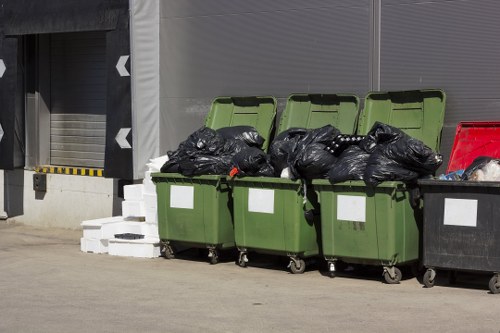
Comprehensive Waste Removal Services in Oxford

Managing waste effectively is crucial for maintaining a clean and healthy environment in Oxford. Whether you're a homeowner, business owner, or involved in a construction project, professional waste removal services can make the process seamless and efficient.
Waste removal in Oxford encompasses a wide range of services, from household rubbish collection to specialized industrial waste management. Understanding the available options and choosing the right service can significantly impact both the environment and your daily operations.
In this article, we will explore the various aspects of waste removal in Oxford, providing you with the knowledge needed to make informed decisions and keep your surroundings clean and sustainable.
Why Choose Professional Waste Removal in Oxford

Opting for professional waste removal services offers numerous benefits. Experts in the field ensure that waste is handled responsibly, adhering to local regulations and environmental standards.
Professional services often provide timely and reliable pickups, helping you maintain a clutter-free space without the hassle. Additionally, they have the necessary equipment and expertise to handle different types of waste, ensuring safe and efficient disposal.
By choosing a reputable waste removal company in Oxford, you contribute to reducing pollution, conserving resources, and promoting a healthier community.
Types of Waste Removal Services
Waste removal services in Oxford cater to various needs, including:
- Household Waste Collection: Regular collection of everyday rubbish from homes.
- Commercial Waste Management: Solutions tailored for businesses, including recycling and disposal.
- Construction Waste Removal: Specialized handling of debris from construction sites.
- Green Waste Disposal: Management of organic waste like garden clippings and compostables.
- Hazardous Waste Handling: Safe disposal of dangerous materials such as chemicals and batteries.
Household Waste Collection
Keeping your home free from excessive waste is essential for hygiene and aesthetics. Professional services offer scheduled pickups, ensuring that your household waste is managed efficiently.
Commercial Waste Management
Businesses generate a significant amount of waste, and managing it responsibly is vital for sustainability and compliance with regulations. Commercial waste removal services provide customized plans to meet the specific needs of different industries.
How to Prepare for Waste Removal
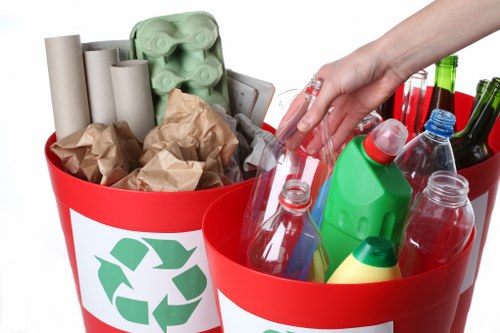
Proper preparation can enhance the efficiency of waste removal services. Here are some steps to consider:
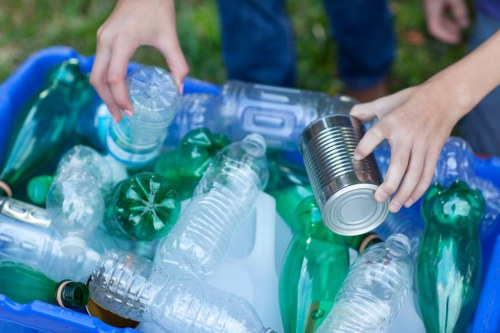
- Sort Your Waste: Separate recyclables, organic waste, and general rubbish to facilitate easy processing.
- Secure Hazardous Materials: Ensure that dangerous items are properly contained and labeled.
- Clear Access Paths: Make sure that the waste can be easily accessed for pickup.
- Communicate Special Instructions: Inform the waste removal team of any specific requirements or restrictions.
By taking these steps, you can ensure a smooth and effective waste removal process.
The Waste Removal Process
The waste removal process typically involves several stages:
- Collection: Waste is picked up from your location according to the scheduled plan.
- Transportation: Collected waste is transported to designated disposal or recycling facilities.
- Processing: Waste is sorted, recycled, or disposed of in an environmentally friendly manner.
Each stage is carefully managed to minimize environmental impact and ensure compliance with regulations.
Collection
Efficient collection requires coordination and timely execution. Professional services use specialized vehicles to handle different types of waste, ensuring that each category is appropriately managed.
Transportation
Transporting waste involves adhering to strict guidelines to prevent contamination and environmental harm. Licensed waste removal companies ensure that all transportation is conducted responsibly.
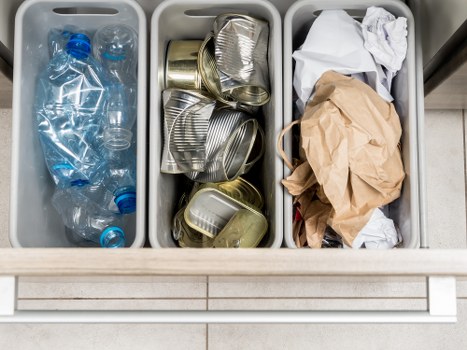
Effective waste removal offers numerous advantages:
- Environmental Protection: Reduces pollution and conserves natural resources through recycling and proper disposal.
- Health and Safety: Minimizes health risks associated with waste accumulation and hazardous materials.
- Aesthetic Improvement: Keeps public and private spaces clean and visually appealing.
- Legal Compliance: Helps individuals and businesses adhere to local waste management regulations.
Embracing proper waste removal practices contributes to a sustainable and thriving community.
Common Waste Removal Challenges and Solutions
Waste removal can present several challenges, including:
- Overcrowding: High volumes of waste can overwhelm local disposal facilities.
- Improper Sorting: Failure to separate waste correctly can lead to contamination and reduced recycling efficacy.
- Hazardous Materials: Handling dangerous waste requires specialized knowledge and equipment.
Solutions to these challenges involve enhancing recycling programs, providing education on proper waste sorting, and investing in advanced waste management technologies.
Overcrowding
To prevent overcrowding, waste removal companies can expand their network of disposal sites and optimize collection schedules to manage high waste volumes effectively.
Improper Sorting
Implementing clear guidelines and providing accessible sorting facilities can encourage proper waste separation, enhancing recycling rates and reducing contamination.
Understanding the costs associated with waste removal is essential for budgeting and planning. Pricing structures typically depend on factors such as the volume of waste, frequency of collection, and type of waste being disposed of.
Many waste removal companies offer flexible pricing options to accommodate different needs, including flat-rate plans for regular pickups and pay-as-you-go models for occasional services.
Additionally, some providers may offer discounts for recycling or bulk waste disposal, promoting environmentally friendly practices while saving you money.
Promoting sustainability is a key focus for waste removal services in Oxford. Eco-friendly practices include:
Adopting these practices not only benefits the environment but also fosters a culture of responsibility and conservation within the community.
Comprehensive recycling programs ensure that recyclable materials are efficiently processed and reintroduced into the production cycle, minimizing waste and conserving resources.
Composting organic waste reduces landfill burden and provides valuable nutrients for soil, supporting sustainable agriculture and landscaping efforts.