Complaints Procedure for Waste Removal
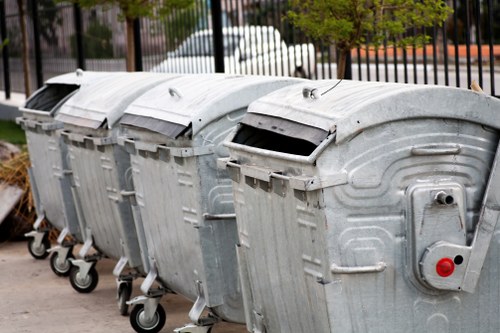 Purpose and scope. This document explains the complaints procedure for waste removal and the steps individuals or organisations can take when they encounter problems with rubbish collection, waste removal or related services. It describes how a formal waste removal complaint is received, assessed and resolved, and outlines expected timescales. The emphasis is on clear, fair and prompt handling of concerns about refuse removal, recycling collection errors, missed pick-ups and other service delivery issues without reference to regional regulations or specific contact details.
The complaints policy covers issues such as missed collections, inconsistent waste collection schedules, damage caused during collection, improper disposal of materials and failures to follow agreed waste handling procedures. It is intended to protect both the complainant and the service provider by ensuring there is a transparent record of the complaint, a consistent assessment process and an independent review stage if initial responses are unsatisfactory. Each issue will be logged and investigated in a timely way, and learnings will be used to improve future waste services.
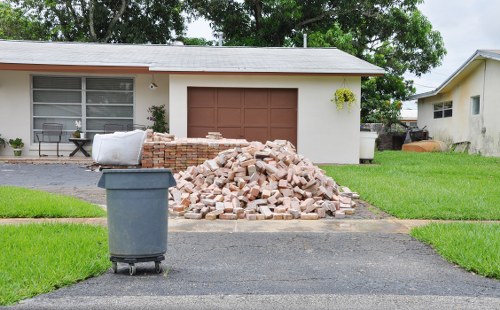 Initial submission and acknowledgement. When a citizen or organisation raises a concern about waste collection or rubbish disposal, the first step is to register the complaint through the available submission channels. A clear acknowledgement should be issued within a short, defined period. That acknowledgement confirms receipt, explains the next steps and provides a reference number for tracking a waste collection complaint. Records should capture the nature of the issue, the time and location, photos or evidence where available, and any actions already attempted by the complainant.
Investigation and response
The complaint handling team conducts an initial review to determine whether the matter is operational, contractual or requires escalation. Waste removal complaints are triaged so that urgent issues—such as hazardous material left at the kerbside—are prioritised. Investigations involve verifying collection logs, reviewing vehicle routes, consulting crew reports and checking any available CCTV or photographic evidence. The expected outcome of the investigation is either a remedy (for example, a re-collection) or an explanation of why the service acted as it did.
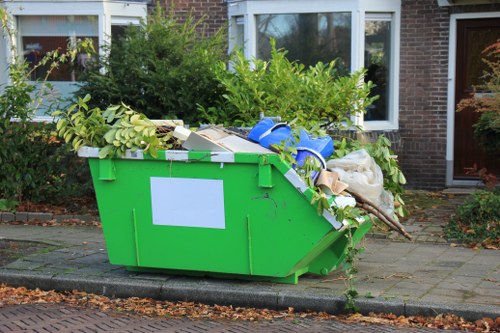 Resolution types and remedies. Typical remedies for rubbish removal issues may include arranging an additional collection, offering corrective action to repair damage, providing education about proper disposal methods, or a formal apology where service standards were not met. If a remedial action is not appropriate, the complaint handler will explain the reasons and offer information about alternative solutions. A transparent record is maintained through the complaints process to ensure accountability and to support continuous improvement.
- Record the complaint with a unique reference.
- Prioritise urgent or safety-related issues.
- Investigate using route and crew data where available.
- Propose an appropriate remedy or provide a detailed explanation.
Throughout the investigation stage, the complainant is kept informed of progress and given realistic timescales for a response. Where a simple mistake has occurred, a swift remedy should be implemented. Where the matter is complex, the complainant should be advised of expected milestones and any factors that may extend the timeline, such as the need to consult third parties or to undertake a site visit.
Escalation and independent review
If the initial response does not resolve the matter to the complainant’s satisfaction, there is an escalation pathway that offers an independent review by a senior officer or an impartial panel. This escalation stage examines the original investigation, evaluates whether proper procedures were followed and determines if alternative remedies are appropriate. The escalation is intended to be proportionate and timely, avoiding undue delay in achieving a fair outcome.
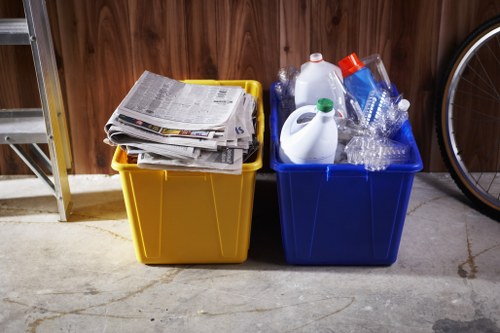 Recording outcomes and learning. Every concluded complaint about waste collection or disposal should document the findings, the remedy applied and any procedural improvements recommended. Summaries of complaints are used to identify trends, such as recurring route issues or training needs for crews. These insights support service improvement and can reduce the frequency of repeated waste collection complaints over time. Confidentiality is maintained for personal details while ensuring transparency about actions taken.
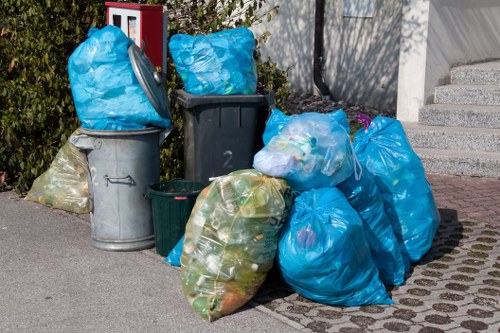 Monitoring performance. A robust complaints handling framework includes regular monitoring of complaint volumes, response times and resolution rates. Key performance indicators track whether service commitments are met and whether corrective actions lead to measurable improvements. Periodic reviews of complaint outcomes contribute to operational changes, revised policies and targeted communication campaigns aimed at preventing common causes of refuse removal dissatisfaction.
Rights and expectations. Complainants can expect a courteous, impartial and efficient process, while the service provider expects truthful accounts and reasonable cooperation during investigations. The complaints procedure for waste removal prioritises safety, timeliness and fairness, while promoting continuous learning. Where possible, the system emphasises informal resolution first, with formal steps available if needed, and a clear record maintained throughout to ensure transparency and accountability.