Waste Recycling in Waste Removal London
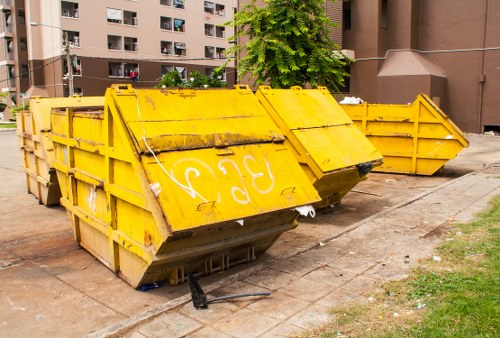
A group of large, yellow industrial skip bins made of heavy metal with reinforced sides and vertical ribbing, positioned outdoors on a paved area near a residential apartment complex. The skip bins have a rectangular shape with open tops, and their surfaces show signs of weathering including dirt, rust, and faded paint, indicating frequent use for waste disposal. Some bins are tilted slightly, with one featuring its front panel partially lifted, revealing internal debris. The background includes a multi-storey building with brown walls, balconies, and seen laundry, along with a lush green tree, suggesting an urban setting in London. The surrounding environment incorporates a small patch of grass and a concrete pavement, with scattered leaves and debris nearby. As part of rubbish management for local waste services, Waste Removal occasionally utilises such skips for clearances and disposal of bulk waste, fitting within the context of London’s waste recycling strategies.

Introduction to Waste Recycling

Waste recycling plays a crucial role in maintaining the cleanliness and sustainability of urban areas. In London, effective waste removal and recycling systems are essential due to the city's dense population and high generation of waste.

Recycling helps reduce the amount of waste sent to landfills, conserves natural resources, and minimizes environmental pollution. With the increasing awareness of environmental issues, both residents and businesses in London are becoming more proactive in their recycling efforts.

Implementing robust waste recycling programs not only benefits the environment but also contributes to the economy by creating jobs and promoting green technologies.
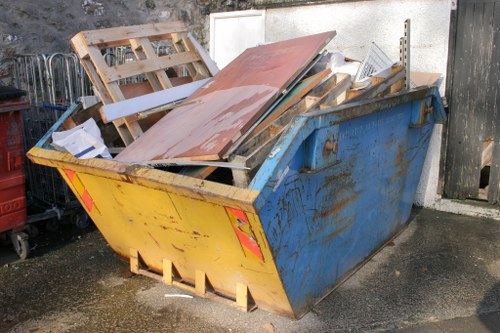
A large, industrial-sized skip situated outdoors on a paved surface, filled with various discarded wooden pallets, metal sheets with rusted surfaces, and miscellaneous construction debris. The skip is painted yellow on the front and blue on the sides, showing signs of wear and rust, indicating frequent use. Behind it, a concrete wall and a wooden fence provide a backdrop, with part of a black wooden gate visible on the right-hand side. The environment suggests a commercial or domestic waste collection area, likely in a suburban or urban setting in London or nearby, consistent with local rubbish removal services like Waste Removal. The lighting indicates natural daylight, casting soft shadows on the water-stained ground, emphasizing the textures of the uneven, damp asphalt and the weathered surfaces of the waste containers and debris. The scene overall reflects the type of waste management activity carried out in the area, with the focus on clearing bulky and construction-related refuse.

Types of Recyclable Waste

1. Paper and Cardboard

Paper and cardboard are among the most commonly recycled materials. This includes newspapers, magazines, office paper, cardboard boxes, and packaging materials.

Proper recycling of paper products reduces the need for deforestation and saves energy. It's important to ensure that paper is clean and dry before recycling to maintain its quality.

Many recycling centers in London accept paper and cardboard, making it easy for residents to participate in recycling programs.

2. Plastics

Plastics are versatile and widely used, but they pose significant environmental challenges if not properly managed. Recycling plastics helps reduce pollution and conserves resources.

Recyclable plastics include bottles, containers, and packaging materials. It's important to sort plastics by type, as different plastics have different recycling processes.

London's waste removal services offer convenient options for recycling various types of plastics, encouraging sustainable practices among the community.
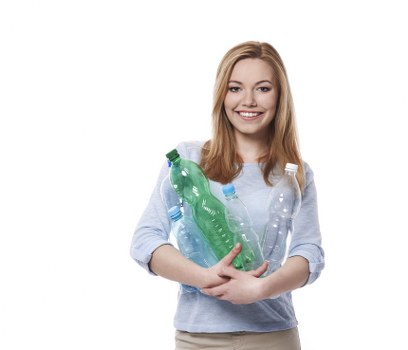
A young woman with shoulder-length blonde hair and fair skin is standing against a plain white background, smiling directly at the camera. She is dressed in a light grey long-sleeved shirt. In her arms, she holds several clear plastic bottles, with visible green and blue liquid inside, which appear to be recycled beverage containers. The bottles vary in size and shape, some with labels still attached, while others are plain. The woman is cradling the bottles securely, with one arm supporting the larger bottles and the other holding a smaller one. This composition symbolizes recycling and waste management, aligning with the services provided by Waste Removal in the context of rubbish disposal. The lighting is bright and even, highlighting the clarity of the plastic bottles and the cheerful demeanor of the woman, subtly emphasizing environmental responsibility in waste recycling efforts typical around London, UK, including areas like postcode sectors in the city center or surrounding boroughs. The overall scene promotes awareness of plastic waste collection and recycling services available locally, reflecting the professional approach to rubbish removal and waste management in a domestic or urban setting.

Glass and Metal Recycling

Glass

Glass is a highly recyclable material that can be reused multiple times without losing quality. Recycling glass helps conserve raw materials and reduces energy consumption.

Common recyclable glass items include bottles, jars, and containers. It's essential to rinse glass items before recycling to prevent contamination.

London provides accessible recycling facilities for glass, making it easier for residents to contribute to glass recycling efforts.

Metals

Metals such as aluminum and steel are valuable recyclable materials. Recycling metals reduces the need for mining and processing new metal resources, saving energy and reducing greenhouse gas emissions.

Items like cans, foil, and scrap metal can be efficiently recycled. Proper sorting and cleaning of metal waste enhance the recycling process.

With numerous recycling points across London, metal recycling is both convenient and beneficial for the environment.
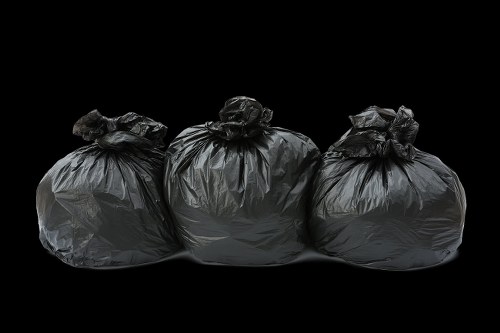
Three black plastic rubbish bags, tightly knotted at the top, are lined up on a flat surface against a plain black background. The bags appear to be made of glossy, durable plastic with slightly crinkled textures and are filled to capacity, causing them to bulge and stretch at the seams. They are positioned side by side, with the middle bag slightly leaning forward. The surface on which they rest is not clearly visible but suggests a clean, solid ground such as concrete or paving. The lighting highlights the reflective surfaces of the bags, emphasizing their volumetric shape and the creases in the plastic. This image, associated with commercial rubbish removal services like Waste Removal, visually captures the typical appearance of disposed waste ready for collection, with a subtle nod to urban waste management in London or other UK towns, in the context of environmental cleanliness and waste recycling strategies.

Electronic Waste (e-Waste) Recycling

Electronic waste, or e-waste, includes discarded electronic devices like smartphones, computers, and appliances. Proper e-waste recycling is critical to prevent hazardous materials from harming the environment.

Recycling e-waste recovers valuable materials such as metals and plastics, reducing the need for raw material extraction. It also helps in managing toxic substances like lead and mercury responsibly.

London offers specialized e-waste recycling services, ensuring that electronic waste is processed safely and efficiently.
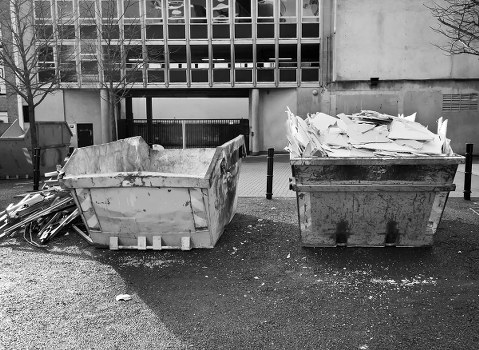
A photograph of two large industrial rubbish containers situated on a paved outdoor area in front of a modern concrete building with a grid-like window structure. The container on the left is a slightly tilted, weathered metal skip filled with various debris, including large broken pieces of concrete or plaster with rough, uneven textures and light grey coloration. The skip appears worn, with some rust and dirt visible on its surface. The container on the right is also a metal skip, filled with crumpled, torn, or discarded paper and cardboard, exhibiting a mix of white, grey, and cardboard brown tones, with some papers spilling over its edges. Surrounding the containers are a few scattered pieces of waste and debris on the pavement, which is dark grey and clean but slightly disturbed near the skips. In the background, there is a black metal fence and a few small bollards, indicating the space might be part of a commercial or residential waste management area in London or nearby. The overall scene reflects typical rubbish removal practices for bulky waste collection and landfill preparation, consistent with services offered by Waste Removal in the local area.

The Process of Waste Recycling

1. Collection and Transportation

The first step in waste recycling involves the collection and transportation of recyclable materials. Efficient logistics ensure that recyclable waste is diverted from landfills and sent to recycling facilities.

In London, waste removal services are equipped with the necessary infrastructure to handle various types of recyclable materials, ensuring timely and effective collection.

Residents and businesses are encouraged to separate their waste to facilitate the collection process and improve recycling rates.

2. Sorting and Processing

Once collected, recyclable materials are sorted into different categories based on their type and composition. Advanced sorting technologies help in accurately separating materials for further processing.

Processing involves cleaning, shredding, and preparing materials for manufacturing new products. This step is crucial to maintain the quality and integrity of recycled materials.

London's recycling facilities utilize state-of-the-art equipment to ensure efficient and high-quality processing of recyclable waste.

3. Manufacturing and Repurposing

Recycled materials are then used in manufacturing new products, completing the recycling loop. This reduces the demand for virgin resources and promotes a circular economy.

Products made from recycled materials include paper products, plastic containers, glass bottles, and metal goods. Repurposing materials also encourages innovation in product design and sustainability.

By supporting manufacturing based on recycled materials, London contributes to environmental conservation and economic growth.

Benefits of Waste Recycling

  • Environmental Protection: Reduces pollution and greenhouse gas emissions.
  • Conservation of Resources: Saves natural resources by reusing materials.
  • Economic Growth: Creates jobs and promotes green industries.
  • Energy Savings: Requires less energy compared to producing new materials.
  • Waste Reduction: Decreases the volume of waste sent to landfills.
Challenges in Waste Recycling

Despite its benefits, waste recycling faces several challenges:

  • Contamination of recyclable materials
  • Lack of public awareness and participation
  • Limited recycling infrastructure
  • High costs of recycling technologies
  • Fluctuating market demand for recycled materials

Addressing these challenges requires coordinated efforts from the government, businesses, and the community to enhance recycling programs and infrastructure in London.

Encouraging proper waste segregation and increasing accessibility to recycling facilities are key steps towards overcoming these obstacles.

Educational campaigns and incentives can also motivate individuals and organizations to adopt sustainable practices.

Recycling Initiatives in London

London has implemented various recycling initiatives to promote sustainable waste management:

  1. Blue Bin Scheme: Provides separate bins for recyclable materials, making it easy for households to participate.
  2. Community Recycling Centers: Offer facilities for residents to drop off large or specialized recyclable items.
  3. Business Recycling Programs: Encourage businesses to adopt recycling practices through incentives and support.
  4. Public Awareness Campaigns: Educate the community about the importance of recycling and how to do it effectively.
  5. Partnerships with Recycling Companies: Collaborate with specialized companies to enhance recycling capabilities and technologies.

These initiatives are designed to increase recycling rates, reduce waste, and foster a culture of sustainability across London.

Future Directions

Looking ahead, London aims to further improve its waste recycling systems by:

  • Investing in advanced recycling technologies
  • Expanding recycling infrastructure to underserved areas
  • Enhancing data collection and analysis to optimize recycling processes
  • Promoting zero-waste policies and circular economy models
  • Encouraging innovation in recyclable product design

These efforts will not only address current waste management challenges but also position London as a leader in sustainable urban living.

How You Can Contribute

Everyone has a role to play in waste recycling. Here are some ways you can contribute:

  1. Separate Your Waste: Ensure that recyclable materials are sorted from general waste.
  2. Reduce Consumption: Minimize the use of single-use plastics and opt for reusable alternatives.
  3. Participate in Local Recycling Programs: Take advantage of the recycling services offered in your area.
  4. Educate Others: Share information about the importance of recycling with your community.
  5. Support Sustainable Businesses: Choose products and services from companies committed to environmental responsibility.

By adopting these practices, you can help enhance the effectiveness of waste recycling efforts in London.

Take action today to make London a cleaner and greener city!

Contact us today to learn more about how you can get involved in waste recycling initiatives.

Conclusion

Waste recycling is an integral part of waste removal in London, offering numerous environmental and economic benefits. By effectively managing recyclable materials, London reduces its environmental footprint, conserves natural resources, and fosters a sustainable future.

Despite the challenges, ongoing initiatives and community participation continue to drive improvements in the recycling landscape. Embracing recycling not only supports environmental conservation but also contributes to the overall well-being and prosperity of London.

Book your service now and join the movement towards a more sustainable London.

Frequently Asked Questions

We utilize state-of-the-art recycling machinery and environmentally friendly methods to ensure efficient waste processing. Our equipment is regularly maintained and upgraded to handle various types of waste safely and effectively. Trust our experienced team to provide top-notch recycling services. Contact our team for a quick quote.

Yes, we are accredited by leading industry bodies such as the Recycling Accreditation Scheme (RAS) and the Green Business Bureau. These accreditations demonstrate our commitment to maintaining high standards in waste recycling. Trust our certified experts to handle your recycling needs responsibly.

Absolutely. We hold all necessary certifications and comprehensive insurance to comply with local and national waste management regulations. Our legal compliance ensures that your recycling process is safe and reliable. Feel free to reach out for more information about our certifications.

We achieve a recycling rate of over 85%, significantly reducing landfill waste and promoting sustainability. Our transparent reporting and commitment to eco-friendly practices showcase our dedication to environmental responsibility. Choose us for a greener future.

With over 20 years of experience in the waste recycling industry, we have built a proven track record of reliability and excellence. Our seasoned team understands the complexities of waste management and delivers effective recycling solutions tailored to your needs.

Yes, we are fully licensed and adhere to all regulatory standards, ensuring trustworthy and compliant recycling services. Our reputation for integrity and quality makes us a reliable partner for your waste management needs.

We offer competitive and affordable recycling services without compromising on quality. Our flexible pricing plans are designed to meet various budgets, making sustainable waste management accessible to everyone. Contact us today for an affordable quote.

Safety is our top priority. We implement strict safety protocols and use specialized equipment to protect both our team and the environment during the recycling process. Our commitment to safety ensures reliable and secure waste management services.

Yes, we operate in multiple locations to provide trusted waste recycling services near you. Our local teams are dedicated to offering personalized and efficient recycling solutions tailored to your community's needs.

We prioritize transparency by providing detailed reports on our recycling processes and waste handling. Our open communication ensures you are informed every step of the way, building trust and accountability in our services.

Our ethical practices include responsible waste handling, minimizing environmental impact, and ensuring fair treatment of all employees. We are committed to upholding high moral standards in every aspect of our recycling operations.

Getting a quick quote is easy! Simply contact our friendly team with your recycling requirements, and we'll provide a competitive estimate tailored to your needs. We're here to make your waste management process smooth and hassle-free.
Waste Removal

Explore the comprehensive landscape of waste recycling in London, highlighting types, processes, benefits, challenges, initiatives, and ways individuals can contribute to a sustainable future.

Get a quote

What Our Customers Say

Excellent on Google
4.8
Google Logo

Waste Removal provided excellent, professional service. We received a quote right after sending photos, they scheduled to suit us, and both workers were helpful and in good spirits. We were very impressed.

L
Lanie Rooney
Google Logo

No matter how many times we've used this company, the experience is always positive. The booking process is efficient, they arrive at the correct time, and are both polite and quick. Quoting was no trouble at all. Can only recommend.

B
Bishop H.
Google Logo

I was impressed by Waste Removal's punctual and friendly team.

C
Cassidy Campos
Google Logo

Exceptionally good service. The team was helpful, knowledgeable, and truly went the extra mile.

D
D. Courtney
Google Logo

Five stars for WasteRemoval! Shed clearance was seamless.

L
L. Fine
Google Logo

After working with a number of companies before, I finally found one that is genuinely both friendly and professional. The service was superb.

K
K. Colley
Google Logo

Top-notch company for rubbish removal! Their professionalism was evident throughout, from providing the quote to carrying out the job. They managed my mother's furniture respectfully and the work was done efficiently and neatly. Highly recommend.

A
Alivia Zhou
Google Logo

Fantastic crew--showed up as scheduled, called ahead, handled paperwork, and removed even tricky items quickly and thoroughly. Highly recommend their service!

B
Brittney Ketchum
Google Logo

Fantastic all-around! Booking was easy, clear instructions, and the driver was courteous and extremely helpful. Skip was picked up exactly seven days later as arranged. Thank you!

K
K. Willingham
Google Logo

Outstanding experience, from my initial inquiry on pricing to the follow-up call post-collection making sure all was well.

A
Angela Camacho

Get In Touch With Us.

Please fill out the form below to send us an email and we will get back to you as soon as possible.