
Health & Safety Policy for Waste Removal and Environmental Services
This Health and Safety policy outlines the principles and operational standards that govern waste removal, rubbish removal and debris removal activities undertaken by the organisation. The policy commits to a safe working environment for employees, contractors and members of the public while ensuring that all waste collection and waste disposal practices minimise risk to health and to the environment. It applies across all stages of the waste lifecycle from initial site assessment through secure transfer and final disposal or recycling.

Scope, Objectives and Commitment
The primary objectives of this policy are to prevent injury and ill health, reduce incidents related to manual handling and vehicular operations, and to maintain consistent standards of waste management and compliance with industry best practice. The organisation undertakes to allocate adequate resources, provide training and ensure ongoing review of safety controls. Responsibilities are clearly defined so that those involved in waste collection, transfer and treatment understand their role in promoting a safe work environment.Risk Assessment, Hazard Controls and Safe Systems
All operations involving waste removal, waste collection and transfer are subject to documented risk assessments that identify physical, chemical and biological hazards. Controls include elimination where practicable, substitution of hazardous methods, engineering controls such as containment and ventilation, administrative controls including route planning, and the use of appropriate personal protective equipment (PPE). Regular inspection and maintenance of vehicles and plant reduce the likelihood of mechanical failures during bulky waste or hazardous waste handling.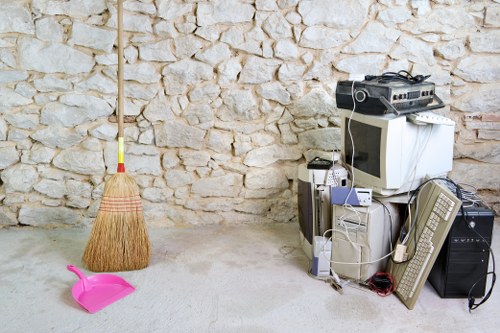 Safe systems of work for rubbish removal emphasise team lifting techniques, correct use of lifting aids, segregation of hazardous materials and clear labelling. High-risk tasks are to be carried out only by trained personnel and under supervision when required. Emergency procedures for spills, exposure incidents and vehicle accidents are established and communicated to all staff with rehearsed response drills. Strong supervision and competent oversight are essential to ensuring safety routines are followed in every waste handling operation.
Training, Competence and Communication: Employees and contractors will receive ongoing instruction tailored to their role, including induction on site-specific hazards, manual handling refresher sessions, safe driving and loading practices, and correct selection and use of PPE. The organisation promotes open communication; near misses and hazards are reported without blame so that learning can be derived and controls improved. Weekly briefings and documented toolbox talks support continuous awareness of safe practices in the removal of domestic, commercial and industrial waste.
Supervisors are responsible for ensuring that waste disposal procedures are implemented consistently and that records of training, inspections and incident investigations are maintained. A clear chain of command supports prompt decision-making during complex operations such as the removal of contaminated waste or the segregation of mixed loads for recycling. The policy emphasises that everyone has a personal responsibility to stop work and seek guidance if a situation appears unsafe.
![A young woman with shoulder-length light brown hair, wearing a light grey long-sleeve top, holding a large blue recycling bin filled with various plastic bottles, detergents, and cleaning containers. She is smiling and standing outdoors against a solid blue background, which suggests a clean and organized environment. The recycling bin has a prominent white recycling symbol on its side indicating waste segregation, and she grasps the handle with her right hand while supporting the bin from the side. The bottles inside are of different shapes, sizes, and shades of blue, green, and white, with some having caps and labels visible. The scene is well-lit, highlighting the textures of the plastic containers and the woman's cheerful expression. This image underscores responsible waste management practices and promotes environmentally conscious rubbish disposal, aligning with waste removal services aimed at recycling and proper disposal in the UK, possibly near [POSTCODE] or within [TOWN].](/pub/_photos/rubbish/f3381889472.jpg) Safe vehicle operation is critical in the delivery of waste transport and debris removal services. Vehicles must be loaded to safe limits, secured for transport and operated only by licensed and competent drivers. Routine vehicle checks, adequate lighting on-site and high-visibility clothing reduce collision and run-over risks during night-time or low-visibility collection activities. Guidelines for route planning reduce reversing and roadside hazards and minimise exposure to public traffic.
Safe vehicle operation is critical in the delivery of waste transport and debris removal services. Vehicles must be loaded to safe limits, secured for transport and operated only by licensed and competent drivers. Routine vehicle checks, adequate lighting on-site and high-visibility clothing reduce collision and run-over risks during night-time or low-visibility collection activities. Guidelines for route planning reduce reversing and roadside hazards and minimise exposure to public traffic.
- Employee Duties: follow safe work procedures and report hazards;
- Managerial Duties: provide resources, training and ensure compliance;
- Contractor Duties: operate to the same safety standards and cooperate with site rules.
Operational controls for hazardous materials include segregation, secure containment, and clear labelling to prevent inadvertent exposure or improper mixing. The organisation employs containment systems for spill control, and ensures that personnel handling chemical wastes are trained in correct neutralisation and disposal methods consistent with best practice in the waste industry. Regular audits of sites and vehicles confirm that storage and transfer protocols are effective and that contamination risks are mitigated.
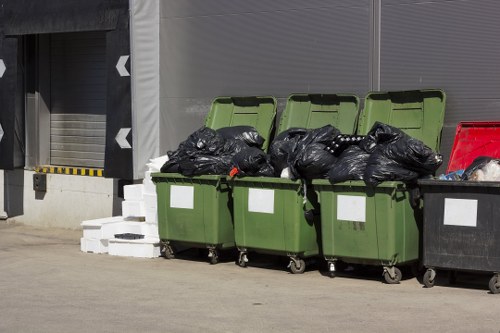 Monitoring, Performance and Continuous Improvement: Performance indicators such as incident frequency, near-miss reporting rates and audit findings are used to monitor safety outcomes. Lessons learned from investigations and changes in operational practice are fed back into training and risk assessments. A commitment to continuous improvement encourages innovation in safe refuse handling, secure waste transfer solutions and reductions in manual handling through mechanical aids.
Review and Application: This policy will be reviewed periodically and updated to reflect changes in operational scope, new hazards, technological advances and evolving industry standards. Senior management will ensure the policy remains relevant and that its implementation is effectively measured. By embedding these health and safety principles into everyday operations, the organisation delivers reliable, safe and compliant services across all areas of waste removal, waste transport and environmental stewardship.